Searchresult

12/2024

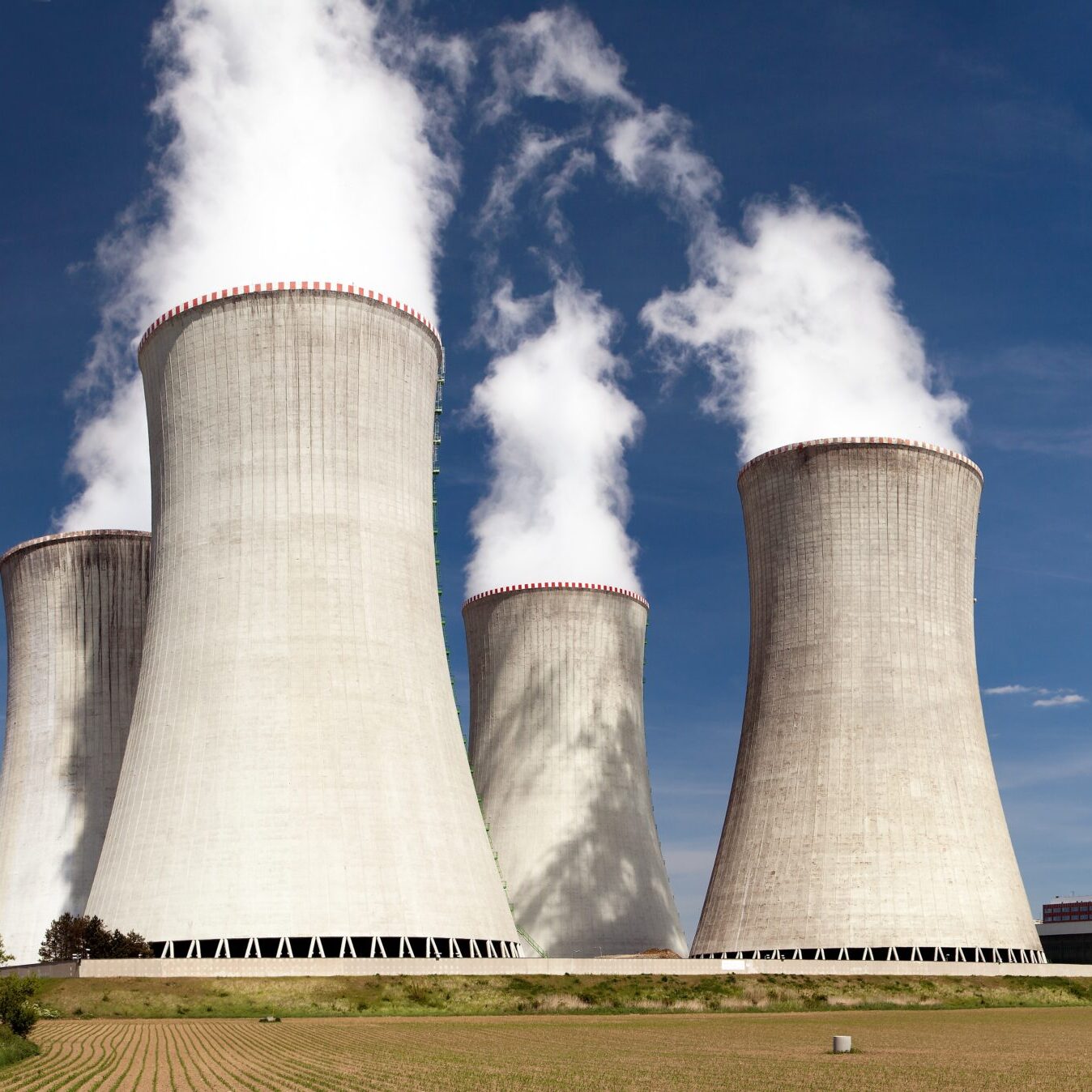
Nuclear Power – A New Boom or the Beginning of the End?

This was the title of a discussion programme on SRF television. The answer depends very much on your point of view. The expansion of nuclear power slowed down after the Chernobyl disaster (1986) and practically came to a standstill after Fukushima (2011), with Asia (China, India) being the exception. Since Europe has renounced Russian gas and wants to take the reduction of CO2 emissions seriously, nuclear energy is enjoying more support in Europe again.

The biggest advocates of nuclear power come from the IT industry: for Jensen Huang, CEO of Nvidia, nuclear power is virtually the natural energy source for operating the power-hungry data centres and Microsoft has already concluded a long-term supply contract with the damaged Three Mile Island nuclear power plant.

Some Key Aspects

In addition to high reliability and climate neutrality, nuclear power’s apologists cite the greater safety and lower radioactive waste of the new reactor designs. In addition, nuclear power plants reduce dependence on problematic exporters of fossil fuels. Essentially, however, proponents and opponents have been putting forward the same arguments for decades. Public opinion remains divided and varies from country to country.

The technology is indeed developing. However, the first SMRs – Small Modular Reactors – are unlikely to go into operation before 2030. The economic viability of new construction projects remains a major challenge, as the new plants in the UK and Finland have shown. While state support for solar and wind projects is declining, this is not (yet?) the case for new nuclear power plants.

Significance for Carnot Capital

The future of nuclear technology remains vague due to high costs and safety concerns, which is why we are not directly involved. In addition, sustainability is controversial. Over the last 20 years, the production of nuclear power has remained more or less stable globally. Due to the high growth in renewable and fossil electricity production, the proportion has halved to around 10%. In terms of value, investments in renewable energies are currently around ten times higher. We are therefore looking for investment opportunities in the management of electricity grids, where requirements have risen sharply. Schneider Electric, ABB and BKW fall into this category.


Did You Know?

The first British coal-fired power station was started up by Thomas Edison in 1882, and the last one went out of operation at the end of September.

 

Weitere Beiträge

Automotive Industry in Transition: Innovations Driving the Future of Mobility

Automotive Industry in Transition: Innovations Driving the Future of Mobility

Innvations in the Automotive Industry

The automotive industry is currently undergoing major developments in numerous areas:

  • ‘Connected Cars’: The vehicle as a digital platform
  • Autonomous Driving: First robotaxis, then personal vehicles
  • Electromobility: On the rise, especially in China
  • Alternative Fuels: A complement to e-mobility

Mobility is fundamentally shifting toward connected and autonomous vehicles. These changes are not only revolutionizing transportation but also influencing urban design, the working environment, and quality of life.

Digitalization and Sensor Technology as Key Success Factors

At the core of innovation lies the combination of sensor technology and computing power (including AI). Data-driven services and connected mobility are becoming the norm. Technology providers that successfully integrate sensors and digital technologies hold a particularly strong market position.

Electromobility and, above all, the increasing autonomy of vehicles free up space for passengers to pursue various activities—entertainment, work, comfort, relaxation… This, in turn, drives additional demand for sensors and chips. Expected growth rates by 2030 vary by application, reaching over 22% in some cases.

Implications for Carnot Capital

Despite these developments and attractive valuations, we are maintaining a relatively low allocation in automotive suppliers. Our semiconductor and sensor technology positions in Melexis, LEM, Infineon, and Xfab account for around 10% of our portfolio. In addition, Ems-Chemie contributes as a manufacturer of high-performance polymers that make vehicles lighter and safer. With Sandvik, we also participate in the electrification of mining: electric loaders and transporters reduce the carbon footprint of metals while increasing productivity.

We will increase our automotive allocation once we gain confidence in rising car sales and see renewed momentum in electromobility, particularly in Western markets.

Rolf Helbling / Andres Gujan, February 5, 2025

High Growth in Data Centers

High Growth in Data Centers

The global data centre market continues to grow unabated. A significant proportion of this growth comes from ‘hyperscale data centres’, which are being built by large technology groups such as Microsoft, Google and Amazon. The increasing use of artificial intelligence and machine learning is significantly changing the requirements for data centres. These technologies require more computing power and higher rack densities, which necessitates new designs and increases location requirements. In addition, the demand for “colocation”, i.e. capacity close to users, is increasing to ensure faster loading times.

Sustainability and Energy Efficiency

The sustainability and energy consumption of data centres is an increasingly important aspect, as energy costs and environmental impact are rising steeply. There is a need to improve energy efficiency, and there are several approaches to this:

Cooling is the most important consumption factor. Free cooling or liquid cooling are common efficiency measures.
Eliminating losses from sub-optimal power distribution significantly reduces energy consumption.
Energy for the infrastructure increases energy consumption – building automation helps to reduce this consumption.
Many data centre operators rely on renewable energies to reduce their carbon footprint.

In order to build “green data centres” in the future, a holistic approach is required. This enables optimised energy efficiency and therefore both economic and ecological benefits.

Data Centers in the Carnot Capital Portfolio

Schneider Electric has developed a platform that enables the analysis, monitoring and automation of data centres. Data centres are an important part of the core business, accounting for almost 20% of sales. At ABB and Hubbell, this share is around 10% and also makes a substantial contribution to sales growth. Instalco, a Scandinavian installation company, and Energiekontor, which develops wind and solar projects for the operation of data centres, are also benefiting. Finally, Carel, a new portfolio item, develops advanced cooling systems tailored to the requirements of data centres.