Searchresult

01/2025

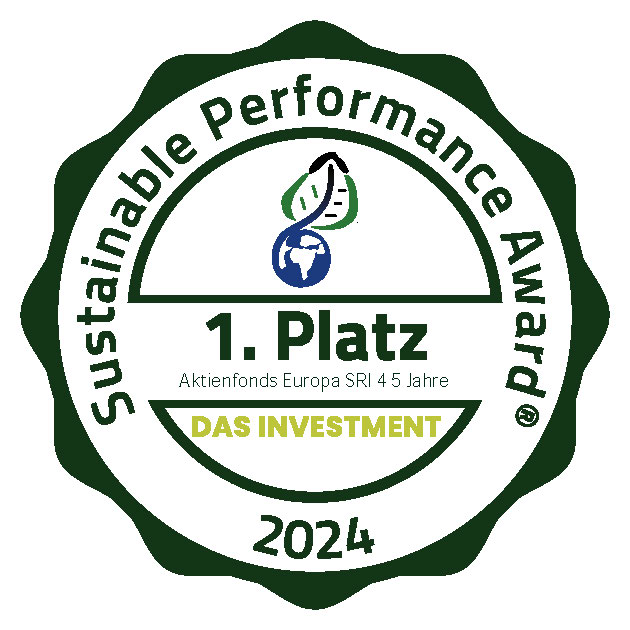
Carnot Capital wins 1st place in the “Sustainable Performance Award® 2024”

Award for the “Carnot Efficient Energy Fund” Confirms Sustainable Investment Strategy

We are delighted to announce that the “Carnot Efficient Energy Fund” has secured 1st place in the prestigious “Sustainable Performance Award® 2024” in the “European Equities” category. This award recognizes the fund’s outstanding 5-year performance and its commitment to environmental sustainability, social responsibility, and sustainable investment strategies. The “Sustainable Performance Award®” is presented annually by the independent ProVita GmbH and published by the magazine Das Investment. The award honors equity funds that successfully combine ecological and social objectives with financial returns. The “Carnot Efficient Energy Fund” stood out among numerous competitors by demonstrating expertise in energy efficiency and CO₂ reduction while investing in top-quality companies.

Investing in the Future
The “Carnot Efficient Energy Fund” invests in companies developing innovative technologies and solutions to sustainably reduce global energy consumption and greenhouse gas emissions. The companies in the fund’s portfolio benefit not only from long-term growth opportunities but also actively contribute to achieving global climate goals.

“This award is a fantastic confirmation of our vision and investment strategy,” said Andres Gujan, Co-Founder and Portfolio Manager of Carnot Capital. “Our goal is to generate attractive returns for our investors while creating a positive impact on the environment and society. Winning the ‘Sustainable Performance Award® 2024’ shows we are on the right track.”

Sustainability Meets Performance
With a consistent focus on energy efficiency and sustainability, the “Carnot Efficient Energy Fund” has gained the trust of institutional and private investors alike in recent years. The clear impact requirements on one hand and the financial quality standards for portfolio companies on the other are the key factors behind the fund’s success and recognition within the industry.

Weitere Beiträge

The Relevance of Investments in Energy and Resource Efficiency

The Relevance of Investments in Energy and Resource Efficiency

Andres Gujan explains the significant impact of these investments:

“The capital market is essential. Massive investments in improving energy and resource efficiency are needed to steer the world toward a CO₂-neutral circular economy. On a corporate level, these investments are crucial for maintaining competitiveness and enhancing sustainability. At Carnot Capital, we have the expertise to assess the impact of individual products and technologies.”

1. Energy Savings

Energy savings are a key aspect when evaluating the impact of energy efficiency measures. The amount of energy saved is typically measured in kilowatt-hours (kWh). Another important indicator is the percentage reduction in energy consumption compared to industry standards. These figures provide insight into the effectiveness of the measures.

2. Cost Savings

Financial savings in energy consumption are a major incentive for energy efficiency measures. The return on investment (ROI) is a key indicator here, measuring the return as the ratio of energy cost savings to the investment cost of the measure. The ROI indicates how quickly the investment pays off.

3. CO₂ Emissions

Reducing CO₂ emissions is another critical driver of energy efficiency measures. CO₂ savings are essential due to legal requirements, customer expectations, or corporate sustainability strategies. The carbon footprint of products—especially electric vehicles—is gaining importance. The footprint reflects the total greenhouse gas emissions generated throughout a product’s lifecycle. Reducing this footprint is crucial for advancing climate change mitigation efforts.

4. Resource Efficiency

Resource efficiency focuses on the sustainable use of natural resources such as water, energy, agricultural land, food, or metals. The goal is to reduce consumption and minimize waste. This is essential to ensure long-term resource availability and prevent severe environmental damage to natural ecosystems. Key indicators include the amount of materials saved and waste reduction through more efficient use and recycling of materials.

5. Productivity Improvements

Productivity improvements are a significant benefit of energy efficiency measures. Metrics such as output per unit of energy used and production process optimizations—leading to lower operating costs and increased efficiency—are essential. These enhancements help boost competitiveness and streamline business operations.

6. Social and Economic Indicators

Investments in energy and resource efficiency also bring social and economic benefits. They create jobs and improve working conditions through sustainable transformations. Key indicators include the number of jobs created or maintained and improvements in working conditions and public health due to reduced pollution and safer technologies. These measures contribute to social and economic development while enhancing quality of life.

7. Long-Term Sustainability

Long-term sustainability is a core objective of energy and resource efficiency initiatives. Detailed sustainability reports that document the long-term impact of investments on the environment, society, and the economy are essential tools. Compliance with sustainability standards and obtaining certifications are further indicators of long-term sustainability.

8. Monitoring and Evaluation

Continuous monitoring and evaluation are crucial for the success of energy efficiency measures. The use of energy management systems and other technologies for real-time tracking and analysis of energy and resource use enables ongoing assessment and optimization. Benchmarking—comparing efficiency measures with industry standards or best practices—helps identify progress and potential improvements.

“By combining these methods and indicators, companies and investors can comprehensively evaluate and continuously improve the impact of their investments in energy and resource efficiency. These measures not only contribute to cost and emission reductions but also promote sustainable and future-oriented development.”
Andres Gujan, Founder of Carnot Capital & Portfolio Manager

Andres Gujan, March 3, 2025

The Ocean as a Source of Electricity Storage?

The Ocean as a Source of Electricity Storage?

Lithium is currently the most commonly used metal for batteries because it enables a relatively high energy density. However, sodium batteries are increasingly becoming an attractive alternative: Sodium is available in unlimited quantities as a salt of the oceans (sodium chloride NaCl) and can be extracted without causing environmental damage. Sodium batteries are also characterised by a high level of safety, as they are less flammable. However, sodium batteries also have disadvantages due to their lower energy density. They are more suitable for stationary applications.

Resourceful Researchers in a Race

Market forecasts from Bloomberg and McKinsey predict that the battery market will grow several hundred billion times over. The brightest minds are working with huge R&D budgets to eliminate the disadvantages of sodium batteries – low voltage and corrosion of the cathode (service life). In fact, great successes have now been reported. The first cars with sodium batteries are already on the road in China. The industry leader BYD is investing more than USD 1 billion in a large production plant. The other industry leader, CATL, wants to reduce the cost per kilowatt hour to $57 with a new generation of sodium batteries. A car battery would then cost less than $5,000. Research is going in various directions, and experiments are also being carried out with other inexpensive metals (magnesium, aluminium, zinc). There are great expectations for solid-state batteries, for example, which boast greater energy density and improved safety. The first factories are already under construction and should be supplying safe, high-performance batteries as early as next year.

Significance for Carnot

Battery prices have been falling slightly for years. However, with the emergence of new materials and technologies, a significant price reduction is now imminent. Due to the high capital intensity and major technology risks, battery production remains unattractive for us as investors. Nevertheless, the significant reduction in battery prices is relevant for us, as it makes the combination of renewable energy and storage cheaper. This triggers further investments in the conversion of the energy supply, where our portfolio companies are involved – from engineering, technology and installation through to system control and optimisation (AFRY, Concentric, ABB, etc.).

Did You Know?

700,000 tonnes of cheese are stored in American caverns. That is more than three times Switzerland’s annual production.